Why This Matters
Engineers are trained to demand evidence. "Because it works" isn't good enough without understanding why.
I maintain this page as a reference for myself and for clients who want to go deeper. The frameworks I use aren't proprietary secrets. They're tested, published, and available to anyone willing to do the reading.
My value isn't in knowing things you can't access. It's in applying them to your specific situation.
The Evidence for Coaching
ICF Global Coaching Study — The International Coaching Federation's ongoing research into coaching effectiveness, ROI, and industry trends.
Coaching ROI: What the Research Says — Harvard-affiliated Institute of Coaching research on measurable outcomes of professional coaching.
Gallup: State of the Global Workplace — Data on employee engagement, manager impact, and the connection between coaching and performance.
Meta-Analysis of Coaching Effectiveness — Theeboom, Beersma & van Vianen's systematic review showing positive effects on performance, coping, well-being, and work attitudes.
Research Areas
Psychological Safety — Amy Edmondson's research on team performance and the conditions that allow people to take interpersonal risks. When people don't feel safe to speak up, problems stay hidden.
Cognitive Diversity — Research on how different thinking styles contribute to team performance — and how to leverage those differences rather than suppress them.
Behavioral Science — The application of psychology and behavioral economics to organizational challenges. Evidence over intuition.

Frameworks I Use
-
A collaborative method for strengthening motivation and commitment to change. Originally developed for clinical settings, highly effective in leadership coaching.
-
A diagnostic tool for uncovering the hidden commitments and assumptions that block change. Helps clients understand why knowing what to do isn't enough.
-
The practice of asking questions to which you don't already know the answer. Builds trust and surfaces information that telling never would.
-
A structured coaching conversation framework from ICF-accredited training. Provides clear scaffolding for productive sessions.
Books & Foundational Texts
Leadership & Team Dynamics
Behavioral Science & Decision-Making
Human Performance & Motivation
Communication & Influence
Resilience & Systems
Immunity to Change — Robert Kegan & Lisa Laskow Lahey. Harvard research on why intelligent people fail to make changes they genuinely want to make.
Humble Inquiry — Edgar Schein. The art of asking rather than telling. Essential for engineers who default to problem-solving when listening would serve better.
Turn the Ship Around! — L. David Marquet. A leader-leader model instead of leader-follower, built in a nuclear submarine. Engineers love the systems thinking in this one.
The Five Dysfunctions of a Team — Patrick Lencioni. The cascading failures that undermine teams — and how to address them. Required reading for anyone inheriting or building a team.
What Got You Here Won't Get You There — Marshall Goldsmith. The habits that make you successful as an individual contributor can actively work against you as a leader.
Extreme Ownership — Jocko Willink. Radical accountability applied to leadership. The principle that leaders own everything in their world — no excuses.
Crucial Conversations — Kerry Patterson. How to hold high-stakes conversations when emotions run high and opinions differ. Directly applicable to feedback, conflict, and performance management.
Thinking, Fast and Slow — Daniel Kahneman. The cognitive biases that shape our decisions. Foundational for understanding why smart people make predictable mistakes.
Think Again — Adam Grant. The science of changing your mind and helping others do the same. Directly relevant to coaching engineers out of fixed positions.
Predictably Irrational — Dan Ariely. How hidden forces shape decisions in ways we don't expect. Useful for understanding why teams resist changes that seem obviously beneficial.
Noise — Daniel Kahneman. Why people making the same decision with the same information reach wildly different conclusions. Relevant to performance reviews, hiring, and risk assessment.
Switch — Chip & Dan Heath. A practical framework for making change happen when change is hard. Bridges the gap between knowing what to change and actually doing it.
How Emotions Are Made — Lisa Feldman Barrett. A neuroscience-based rethinking of how emotions actually work. Changes how you understand conflict and team dynamics.
Hidden Potential — Adam Grant. The science of achieving greater things — not by being born talented, but by building the right conditions for growth.
Give and Take — Adam Grant. Research on how generosity, reciprocity, and self-interest shape success. Changes how you think about collaboration and career strategy.
Grit — Angela Duckworth. Passion and perseverance matter more than talent. Research-backed evidence for what sustains performance over time.
Peak — K. Anders Ericsson. The original deliberate practice research. What it actually takes to develop expertise — and it's not just "10,000 hours."
Quit — Annie Duke. The power of knowing when to walk away. Engineers are trained to solve problems, but sometimes the best decision is to stop.
The Courage to Be Disliked — Ichiro Kishimi. Adlerian psychology applied to interpersonal relationships and the freedom that comes from separating your tasks from others' opinions.
Getting to Yes — Roger Fisher. Interest-based negotiation that moves beyond positions to find mutual solutions. Practical for engineers navigating cross-functional conflicts.
If I Understood You, Would I Have This Look on My Face? — Alan Alda. An actor's journey into the science of relating and communicating. Surprisingly applicable to technical professionals.
Quiet — Susan Cain. The power of introverts in a world that rewards extroversion. Important for leaders managing diverse communication styles on technical teams.
Making Numbers Count — Chip Heath. How to communicate data in ways that actually land. Every engineer who's ever lost a budget argument needs this.
Talking to Strangers — Malcolm Gladwell. Why we misread people and the consequences of our default assumptions. Relevant to hiring, onboarding, and cross-functional relationships.
Man's Search for Meaning — Viktor Frankl. Finding purpose in suffering. The foundational text on meaning-making that underpins much of coaching psychology.
When the Body Says No — Gabor Maté. The cost of hidden stress and the connection between emotional suppression and physical health. A wake-up call for high-performing engineers who push through everything.
How Big Things Get Done — Bent Flyvbjerg. Why projects fail and what separates the ones that succeed. An engineer's guide to realistic planning and delivery.
Essentialism — Greg McKeown. The disciplined pursuit of less. For engineers drowning in priorities who need to learn that saying no is a leadership skill.
Strong Ground — Brené Brown. The intersection of daring leadership, paradox, and human resilience. Research-backed vulnerability as a leadership strength, not a weakness.
Atlas of the Heart — Brené Brown. Mapping meaningful connection and the language of human experience. Expands emotional vocabulary — something most engineers weren't trained in.

On My Reading List
-
![]()
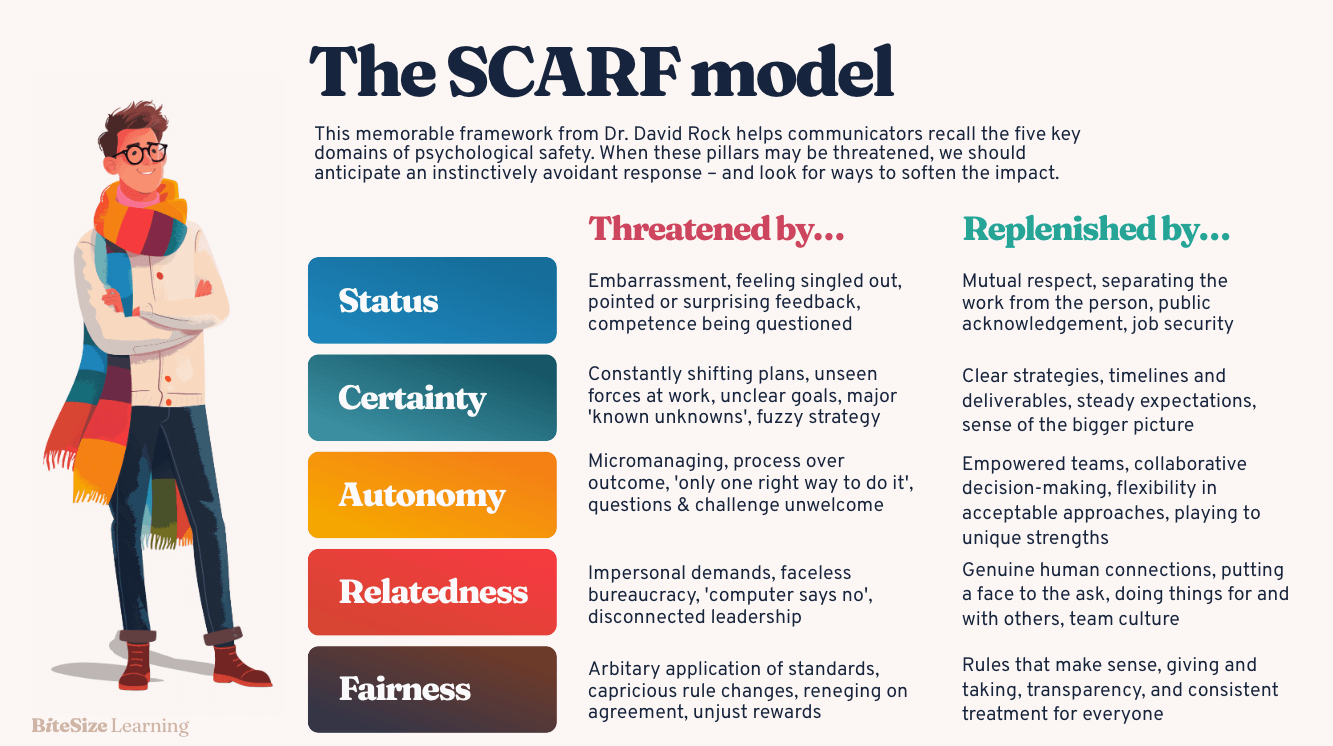
SCARF Model (David Rock)
Neuroscience-based framework for understanding social threats and rewards. On deck for integration into team dynamics work.
-
![]()
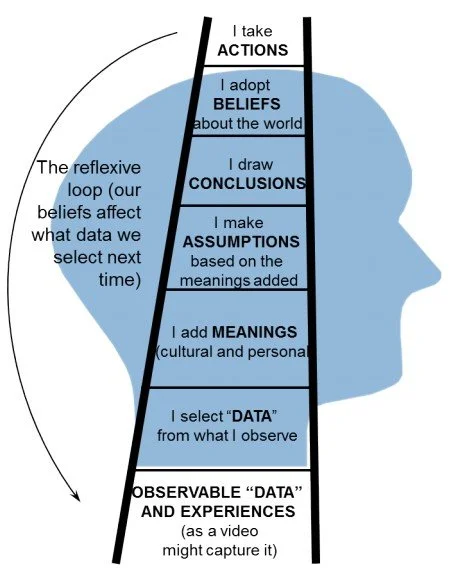
Ladder of Inference (Chris Argyris)
How we jump from data to conclusions. Engineers respond to this because it looks like a systems diagram.
-
![]()
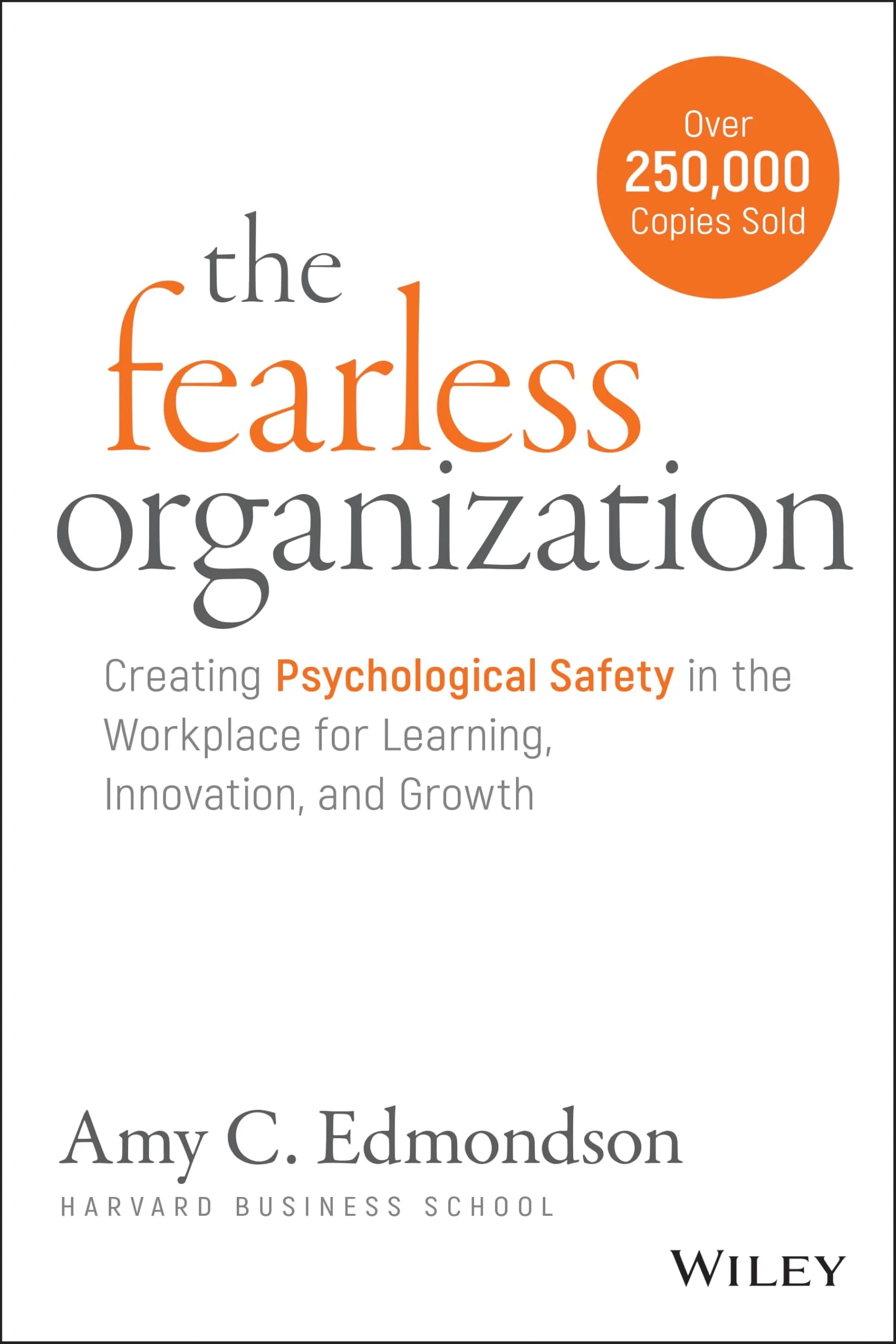
The Fearless Organization
Amy Edmondson. The research behind psychological safety and its impact on team performance.
-
![]()
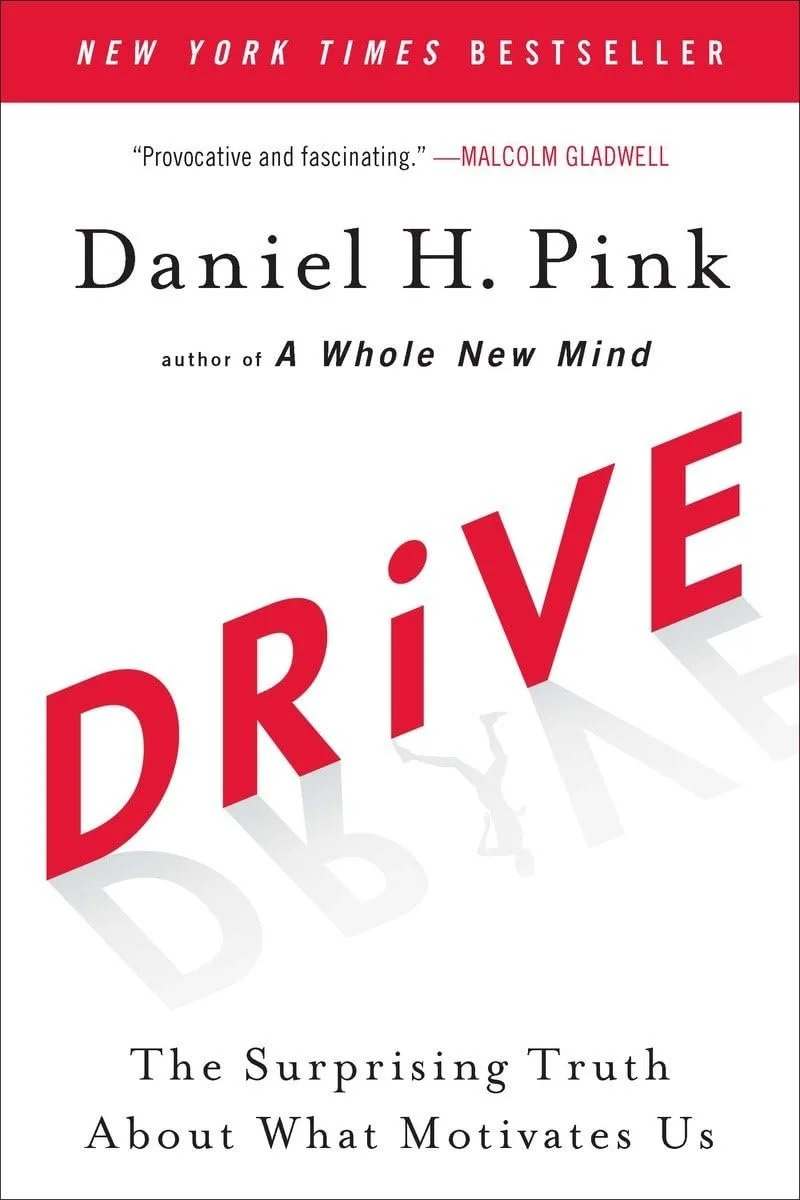
Drive
Daniel Pink. The science of intrinsic motivation — autonomy, mastery, purpose.